
Cusco, Sacred Valley and Machu Picchu · 7-day family route
Start gently in Cusco, acclimatise in the Sacred Valley, and protect the rail and entry sequence instead of compressing Peru’s highland route into one heroic transfer.
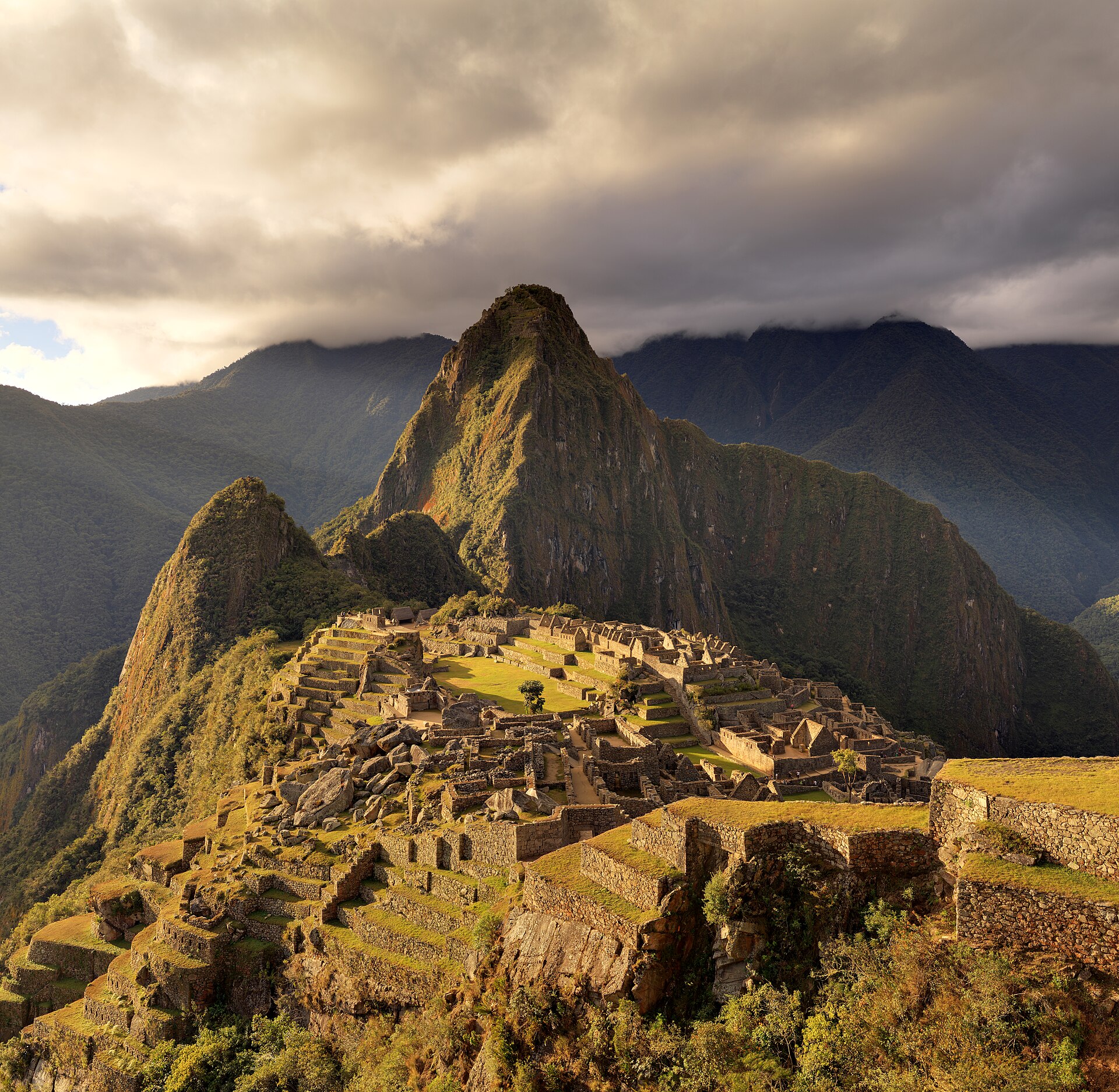
Checked before you commit
This is an illustrative planning framework, not a live Peru booking. It uses the Sacred Valley as the acclimatisation and rail corridor, then protects the return to Cusco.
Planning boundary: A booking-hub link indicates intent only. It does not prove that a rail ticket, room, entry or flight was booked.
Descend into the valley before the fixed rail day
Keep two nights in Cusco for a gentle arrival and one low-effort historic-centre day, then move to the Sacred Valley rather than adding another high-altitude city night. Use Ollantaytambo as the final rail base so the Machu Picchu connection is not treated as a same-day gamble.
Altitude, weather, energy, road conditions and timed entry can change the sequence. If the family is not settling at altitude, keep the valley base and replace a strenuous site with a shorter village, market or recovery window rather than adding another transfer.
Day 1 — Land in Cusco and protect the first night
Transfer from Alejandro Velasco Astete International Airport to a Cusco base and keep the afternoon to hydration, a meal and a short flat walk around San Blas only if everyone feels well. The decision is to avoid a same-day Sacred Valley transfer after the flight.
Fallback: If bags, arrival or altitude response are difficult, make this a hotel recovery evening; do not borrow time from the next day.
Day 2 — Use Cusco’s historic centre as the first anchor
After a slow breakfast, take one compact sequence through Cusco’s Plaza de Armas, the Cathedral exterior and nearby lanes, with a seated lunch before returning to base. Keep the route walkable and avoid stacking Sacsayhuamán onto a day when altitude is already a question.
Fallback: If walking effort is too high, keep the plaza and meal, then return to the hotel; the Sacred Valley move remains the next route decision.
Day 3 — Move down to the Sacred Valley and settle in Urubamba
Leave Cusco after breakfast for an Urubamba or nearby valley base, using one named stop such as the Pisac market only if road timing and family energy support it. Finish with a local meal and an early night rather than adding a second archaeological site.
Live check: Confirm the road sequence, driver, baggage plan, weather and accommodation check-in before fixing the stop.
Day 4 — Choose one Sacred Valley decision before Ollantaytambo
Use the morning for a focused Sacred Valley pair such as Chinchero plus the Maras / Moray area, then return toward Ollantaytambo with time for the town’s stone streets and a practical dinner near the rail base. The route rationale is one cultural sequence, not every available site.
Fallback: If roads, weather or altitude reduce the window, keep Ollantaytambo and drop the second site; do not push the rail connection later.
Day 5 — Protect the Ollantaytambo to Machu Picchu rail handoff
Use the confirmed morning or midday rail service from Ollantaytambo to Machu Picchu Pueblo, keep baggage within the operator’s current rules, and leave the afternoon for lunch, the village and an early night. Do not add the sanctuary on arrival unless the timed-entry route and energy genuinely fit.
Live check: Confirm rail times, boarding point, baggage limits, entry circuit, ticket name and accommodation before booking.
Day 6 — Make Machu Picchu the single major anchor
Follow the confirmed entry time and current visitor circuit for the Historic Sanctuary of Machu Picchu, then return to Machu Picchu Pueblo rather than forcing a same-day Cusco connection. Keep the evening as a meal and recovery window.
Fallback: If weather, health or entry logistics make the planned circuit unsuitable, follow the current operator or site rules; do not invent an alternative access promise.
Day 7 — Return to Cusco with a real departure buffer
Take the confirmed return rail and onward transfer toward Cusco, then set the final airport departure from the live flight time and road conditions. If the flight is later, use a hotel luggage stop or short meal only after the buffer is secure.
Fallback: If the flight is early or the rail return shifts, go directly to the airport; a final Cusco attraction is optional, never part of the safety margin.
Planning notes
Dates are illustrative. Recheck altitude advice, health needs, flights, rail schedules, timed-entry circuits, passport names, baggage rules, roads, weather, accommodation, prices, cancellation terms and supplier availability at decision time. Keep the route editable for family energy and live conditions. Opening a booking hub does not prove a booking occurred.
Share the plan with companions after the bases, transfer buffers, rail dependency and confirmation boundaries have been reviewed.
Build the full plan in Alfred
Generate, validate and edit the complete itinerary in the Alfred app.