
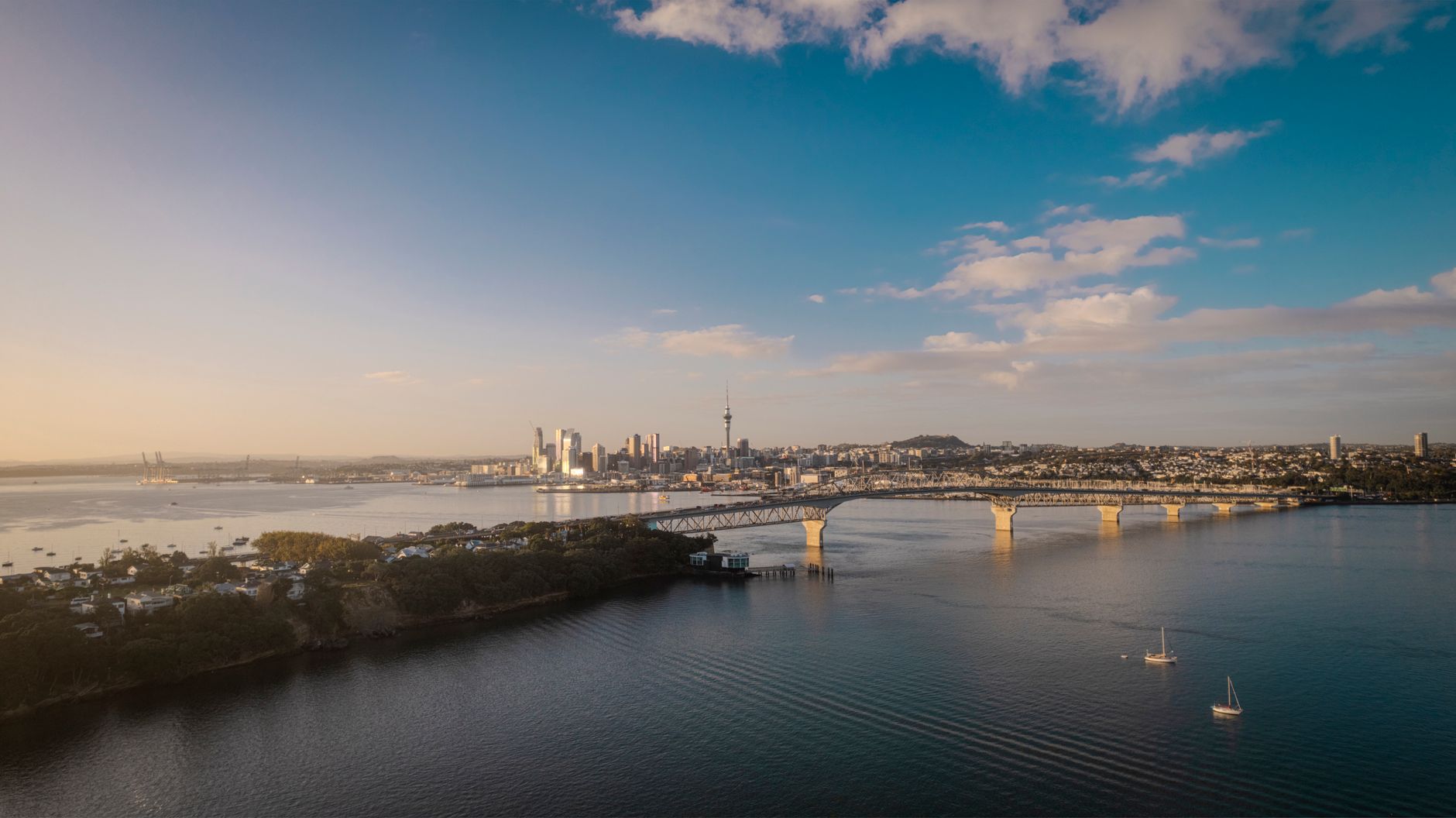
Checked before you commit
Use this route as a structured starting point. Confirm the live details for your dates, travellers, energy, accessibility and budget.
Keep the sequence and transfers visible.
One main anchor with room to recover.
Live prices, availability, access, weather and supplier terms require confirmation.
Day-by-day plan
Day 1 — Auckland arrival and recovery
Allow time for immigration, bags, airport transfer, rental-car setup, check-in, food, and jet lag. Choose a family base with practical access to the next day’s cluster; confirm room configuration, lift access, parking, and noise expectations. Keep the first outing local and optional: essentials, a short waterfront walk, or an early meal. Pacing rule: no fixed-time major attraction after a long-haul arrival unless the flight and energy make it genuinely comfortable. Fallback: hotel reset and nearby food.
Confirm before booking: Check current schedules, access, weather, opening hours and supplier terms for this day.
Day 2 — Auckland waterfront and one central anchor
Choose one anchor such as a museum, aquarium, or waterfront experience after checking current hours, ticketing, age guidance, and accessibility. Keep lunch and the second activity within the same broad area; avoid crossing Auckland for a second major reservation. Leave the late afternoon open for rest, pool time, or a short local walk. Family logic: one timed block, one open block, and an easy return route. Rain fallback: choose an indoor anchor and remove, rather than replace, the outdoor overflow.
Confirm before booking: Check current schedules, access, weather, opening hours and supplier terms for this day.
Day 3 — Auckland flexible day
Select one interest cluster: a local neighbourhood and food stop, a harbour/island option subject to current ferry conditions, or a family-friendly indoor route. If an excursion requires a ferry or fixed departure, treat it as the day’s operating anchor and confirm weather, cancellation terms, and return times. Prepare the next day’s drive, fuel, luggage, child seats, and Rotorua check-in details. Retention logic: visible flex time gives the saved itinerary a reason to be edited rather than abandoned when the first two days run long.
Confirm before booking: Check current schedules, access, weather, opening hours and supplier terms for this day.
Day 4 — Auckland to Rotorua: transfer first
Start with a realistic departure buffer and confirm the current road route, stops, fuel, and weather before leaving. Choose one meaningful stop only if it sits naturally on the route and the family’s energy supports it. On arrival, prioritise check-in, food, and a short local orientation rather than a major timed attraction. Confirm accommodation needs including parking, room layout, heating, and late-arrival process. Do not schedule: a distant geothermal experience immediately after the drive. Fallback: direct transfer, check-in, and a quiet evening close to the base.
Confirm before booking: Check current schedules, access, weather, opening hours and supplier terms for this day.
Day 5 — Rotorua geothermal and cultural anchor
Choose one geothermal or cultural anchor after checking current conditions, walking surfaces, accessibility, child suitability, and admission requirements. Pair it with a nearby meal or short local stop; avoid stacking multiple far-apart sites. Keep the afternoon lighter, especially if the family has an early start or the site involves heat, walking, or strong smells. Trust boundary: geothermal conditions and site access can change; confirm current operator guidance before departure. Weather/energy fallback: a shorter local route, indoor cultural option, or hotel reset.
Confirm before booking: Check current schedules, access, weather, opening hours and supplier terms for this day.
Day 6 — Rotorua family-choice day
Choose between a lake or forest activity, a family attraction, or a slower town-and-food day based on weather, age, mobility, and energy. Treat any booked adventure as a full anchor and check age, weight, clothing, safety, cancellation, and transport requirements. Keep a nearby low-commitment option available rather than forcing a second paid activity. Family logic: the plan should make it easy to downgrade the day without losing the route spine.
Confirm before booking: Check current schedules, access, weather, opening hours and supplier terms for this day.
Day 7 — Rotorua close and departure buffer
If departing from Auckland, do not assume a morning Rotorua activity and a comfortable flight connection without checking the exact route, vehicle return, traffic, and flight requirements. If staying overnight or departing later, choose one short nearby activity close to the base. Confirm fuel, luggage, child seats, road conditions, airport process, tickets, and booking terms. Save the route spine for a future North Island extension rather than overloading the final day.
Confirm before booking: Check current schedules, access, weather, opening hours and supplier terms for this day.
Planning notes
Keep the route editable
Timing
Confirm dates, opening hours, transport schedules and timed-entry rules before booking.
Pacing
Keep one main anchor on demanding days and preserve a nearby fallback when weather, energy or transport changes.
Booking boundary
Alfred does not guarantee live prices, availability, supplier terms, road conditions or access. Check relevant official and partner sources before booking.
Build the full plan in Alfred
Generate, validate and edit the complete itinerary in the Alfred app.