
Checked before you commit
Use this route as a structured starting point. Confirm the live details for your dates, travellers, energy, accessibility and budget.
Keep the sequence and transfers visible.
One main anchor with room to recover.
Live prices, availability, access, weather and supplier terms require confirmation.
Day-by-day plan
Day 1 — Arrive in Rome and keep the first evening local
Choose a Rome base with practical access to your arrival route and nearby food. Keep the first day light: check in, settle the luggage, and take a short neighbourhood walk only if the family has energy. Avoid stacking a timed attraction after a long flight or transfer.
Confirm before booking: Check current schedules, access, weather, opening hours and supplier terms for this day.
Day 2 — One Ancient Rome anchor
Pick one major Ancient Rome experience and make it the morning’s anchor. Keep lunch and the afternoon close rather than crossing the city for a second large sight. Confirm ticket rules, entry times, and current operating conditions for the attraction you choose.
Confirm before booking: Check current schedules, access, weather, opening hours and supplier terms for this day.
Day 3 — Centro Storico at walking pace
Use the historic centre as a compact route: choose a few nearby piazzas and landmarks, then leave space for a proper meal and a reset. The useful version of this day is not a checklist of every famous stop; it is a route the family can actually finish.
Confirm before booking: Check current schedules, access, weather, opening hours and supplier terms for this day.
Day 4 — Vatican-side plan or a flexible Rome day
If the family wants a Vatican-side visit, make one timed booking the main anchor and plan the surrounding movement conservatively. Otherwise, use a slower neighbourhood, market, park, or indoor option. Recheck queues, entry requirements, heat, and opening hours before committing.
Confirm before booking: Check current schedules, access, weather, opening hours and supplier terms for this day.
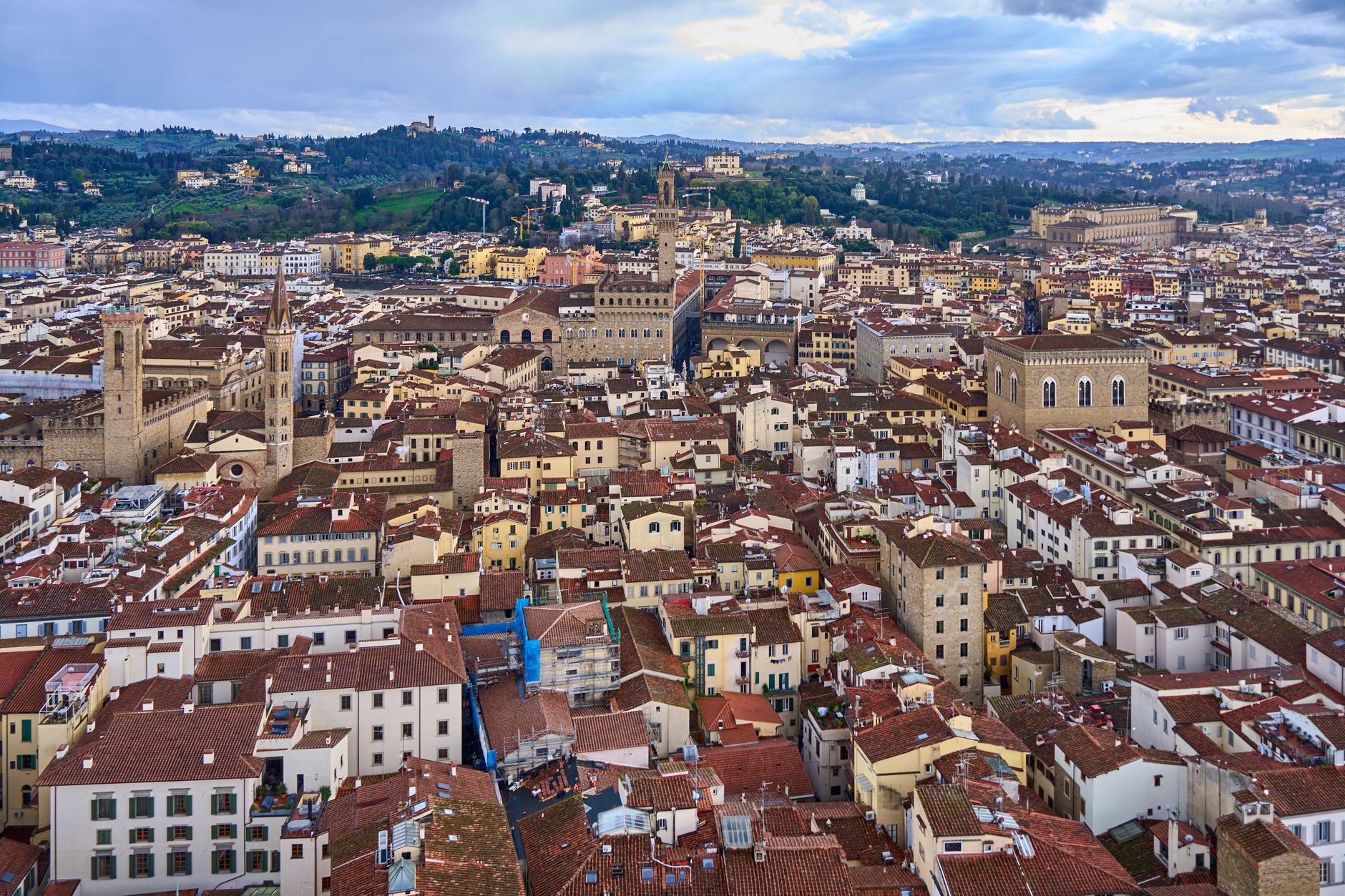
Day 5 — Train to Florence
Treat the Rome–Florence train as the day’s main movement. Confirm the current departure, seat and luggage rules, and the time needed to reach the station. After arrival and check-in, stay close to the new base for food and a short orientation walk. Do not schedule a distant timed attraction on the transfer afternoon.
Confirm before booking: Check current schedules, access, weather, opening hours and supplier terms for this day.
Day 6 — Florence historic centre with one major anchor
Choose one museum or landmark as the fixed point, then cluster the rest of the day nearby. Take a real lunch and make the second half optional. A family plan works better when a queue or tired legs can remove an activity without breaking the route.
Confirm before booking: Check current schedules, access, weather, opening hours and supplier terms for this day.
Day 7 — Flexible Florence finish
Return to a favourite street, choose a garden or viewpoint, or keep the morning open for departure logistics. If leaving Florence today, work backwards from the station or airport with a generous buffer and recheck the live route.
Confirm before booking: Check current schedules, access, weather, opening hours and supplier terms for this day.
Planning notes
Keep the route editable
Timing
Confirm dates, opening hours, transport schedules and timed-entry rules before booking.
Pacing
Keep one main anchor on demanding days and preserve a nearby fallback when weather, energy or transport changes.
Booking boundary
Alfred does not guarantee live prices, availability, supplier terms, road conditions or access. Check relevant official and partner sources before booking.
Build the full plan in Alfred
Generate, validate and edit the complete itinerary in the Alfred app.